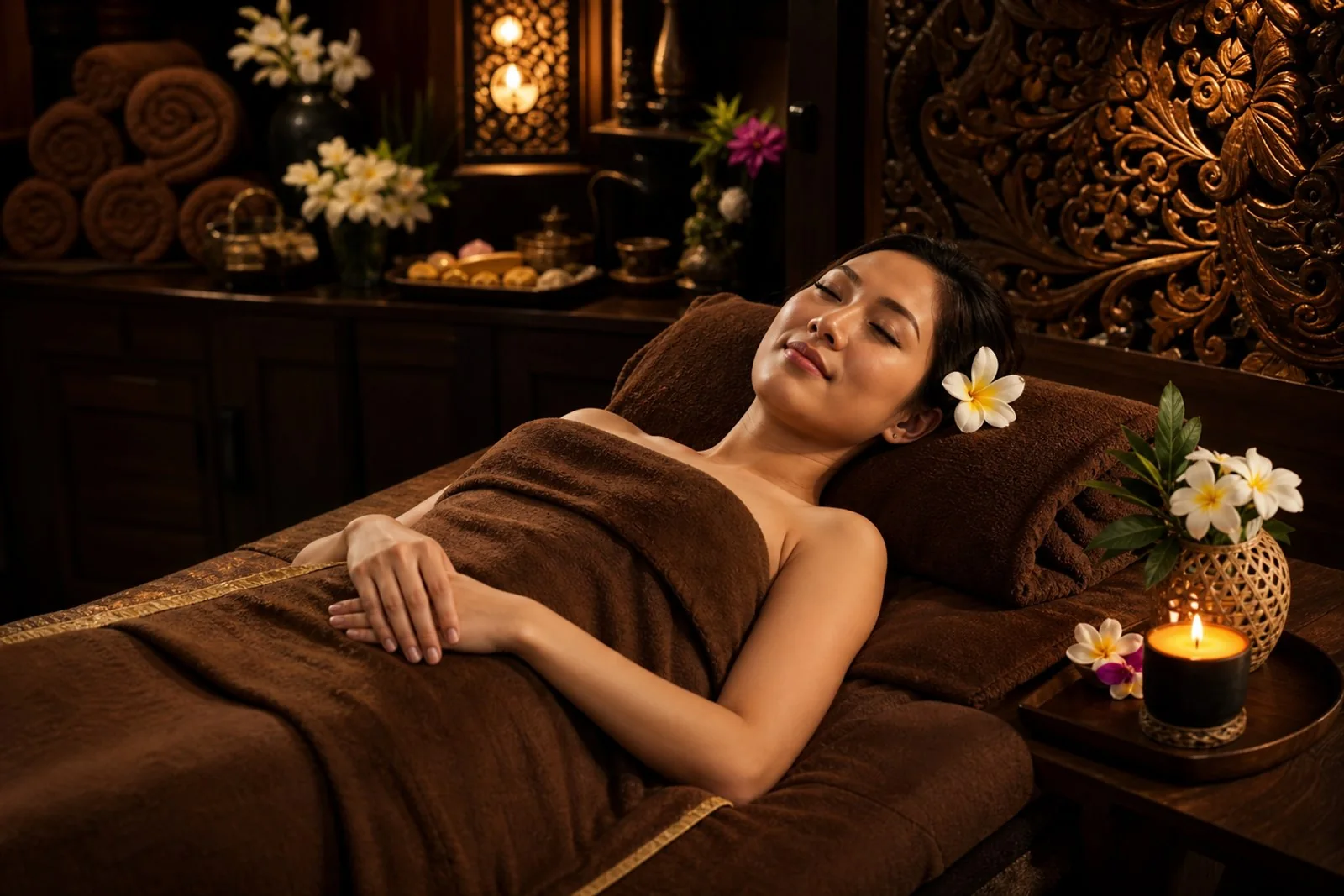
It is the most common thing guests tell us at the follow-up booking, and it is almost never about the muscles. I slept like the dead.
It is not mysterious. But understanding why it happens tells you something useful about the rest of your week.
Two gears, and most of us are stuck in one
Your autonomic nervous system runs in two broad modes. The sympathetic branch — fight or flight — raises heart rate, tightens muscle, sharpens attention and shuts down anything not needed for immediate survival, including digestion and deep sleep. The parasympathetic branch — rest and digest — does the reverse.
These were designed to alternate. Modern life keeps a lot of people idling in low-grade sympathetic activation more or less permanently: notifications, deadlines, traffic, a bright screen at eleven at night. Nothing dramatic is happening, so nothing prompts the switch back.
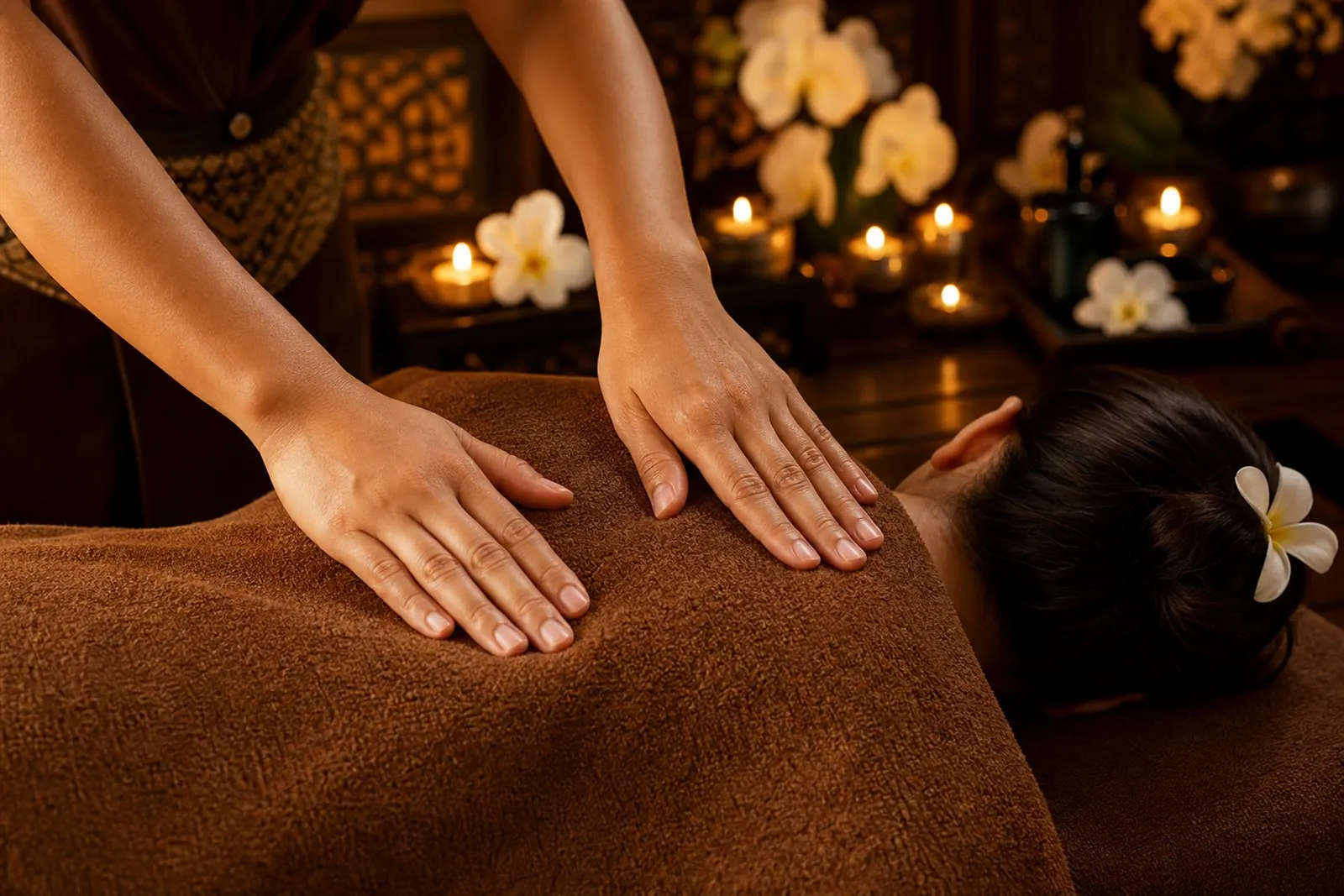
Slow, rhythmic, predictable touch is one of the more reliable ways of prompting that switch. That is what a massage is, mechanically — an hour of unhurried, non-threatening, entirely predictable contact. Breathing slows, muscle tone drops, and the body concludes it is safe.
"People think they book a massage for their shoulders. Half of them are really booking permission to stop for an hour."
Siri therapist team
Why the effect outlasts the appointment
The first night is easy to explain — you arrive at bedtime already downshifted. The more interesting part is that regular guests often report their general sleep improving, not just the night of the treatment.
The likely reason is unglamorous: practice. A nervous system that has made the transition into a rested state recently finds it easier to make again. It is the same principle as any other repeated pattern. Which is also the argument for booking monthly rather than twice a year.
Which treatment for sleep
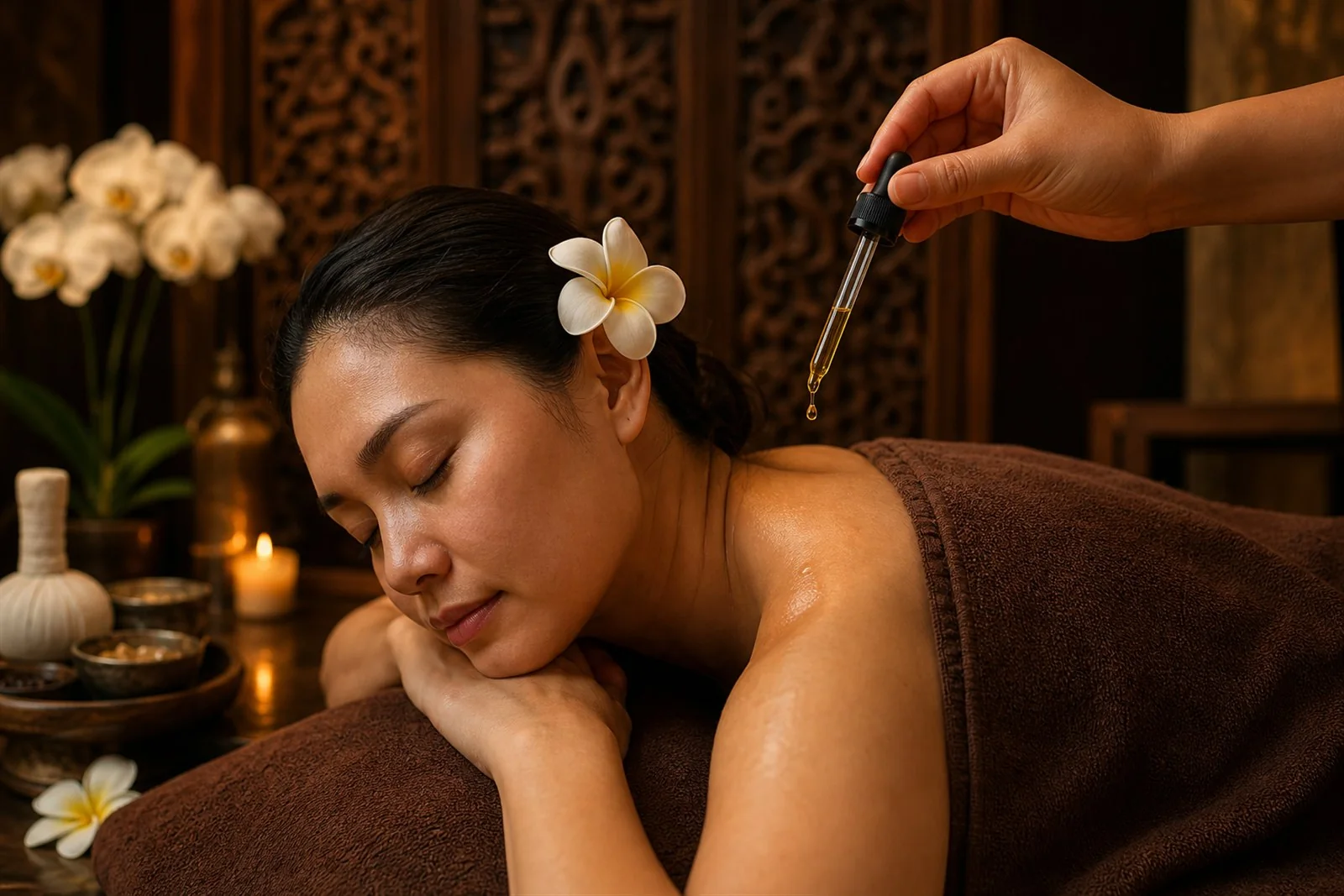
- Aromatherapy massage — the first choice. Slow, flowing, with a relaxing blend. On our menu it is specifically associated with stress, anxiety and insomnia. 60 mins $115 Viaduct / $105 St Heliers.
- Hot stone massage — when stress has become physically tight. Heat plus slow work is deeply sedating. 90 mins $175 / $160.
- Warm coconut oil massage — the gentlest option, for when you are depleted rather than knotted.
- Reflexology — surprisingly effective, and you stay clothed. Good if lying face down is uncomfortable.
Book an evening slot. Both spas take appointments until 8.00pm, seven days. A massage that ends at 7.30pm and is followed by a quiet dinner and bed is a fundamentally different experience from one squeezed between two meetings.
What to do at home — the four that matter
- Get daylight early. The most powerful and least used lever on sleep. Ten minutes outside within an hour of waking.
- Keep the wake time fixed, including weekends. Consistency at the front of the night follows consistency at the back of it.
- Lengthen your out-breath. Four counts in, six or eight out, for two minutes. A longer exhale is one of the few voluntary ways to nudge the nervous system towards rest — it works lying in bed, and it works in traffic.
- Warm, then cool. A warm shower or bath an hour or two before bed, then a cool bedroom. The drop in body temperature afterwards is part of what initiates sleep. This is also why heat treatments feel so good in winter.
Add a simple scent cue in the evening — lavender on a pillow or in a diffuser — and you have a routine that costs nothing and compounds.
The honest limitation
Massage helps sleep that is disrupted by stress and tension. It does not treat a sleep disorder. If you snore heavily or stop breathing in the night, if you are exhausted despite eight hours in bed, if you cannot sleep for weeks at a stretch, or if low mood is coming with it, please see your GP. Sleep apnoea, thyroid problems, anxiety and depression are all treatable, and none of them are treatable by us.
We can make a tired body comfortable enough to sleep. We cannot fix the reason a body cannot sleep. Both are worth having — just in the right order.
Common questions
Slow, rhythmic, predictable touch is one of the more reliable ways of shifting your nervous system out of fight-or-flight and into the rest-and-digest state. You arrive at bedtime already downshifted.
Aromatherapy massage is the first choice — on our menu it is specifically associated with stress, anxiety and insomnia. If your stress has become physically tight, hot stone works better.
Evening. Both spas take bookings until 8.00pm — a treatment that ends at 7.30 and is followed by a quiet dinner works far better than one squeezed between meetings.
No. It helps sleep disrupted by stress and muscular tension. Persistent insomnia, heavy snoring, exhaustion despite full nights, or low mood alongside it all warrant a visit to your GP.