Almost every first-time hot stone guest asks the same question at the door, and it is never the one they think they will ask. It is not how hot? It is: do the stones just sit there, or does someone actually massage me?
Both. That is the short answer. A hot stone massage uses two sets of stones — small ones that rest still on key points along the body, and larger ones the therapist holds and works with, gliding them through warm oil like an extension of their hands. It runs 90 or 120 minutes at our Viaduct spa and our St Heliers spa, and it is one of the most popular treatments on both menus for a simple reason: heat gets into muscle far faster than pressure alone can.
Why heat does what fingers cannot
A cold, guarded muscle resists. A therapist can push into it, and it will push back, and you will spend the session bracing. Warm that same muscle first and it stops defending itself — the tissue softens, blood flow to the area increases, and the same amount of pressure suddenly reaches much deeper without hurting.
That is the whole logic of the treatment. The stones are not decoration. They are a way of getting heat exactly where it is needed and keeping it there while the work happens.
"People book hot stone thinking it will be the gentlest thing on the menu. Then they get up and realise how much deeper we actually got."
Siri therapist team
Your first ninety minutes, step by step
- The consultation. Two or three minutes. Where it hurts, how firm you like it, anything to avoid, and whether you have any heart, blood pressure, circulation or skin conditions — this genuinely matters for a heat treatment.
- Settling in. You undress to your comfort under the towel, face down. Your therapist knocks before returning.
- Warm-up. Hands and oil first, no stones, for the first several minutes. This is where your therapist finds the real tension.
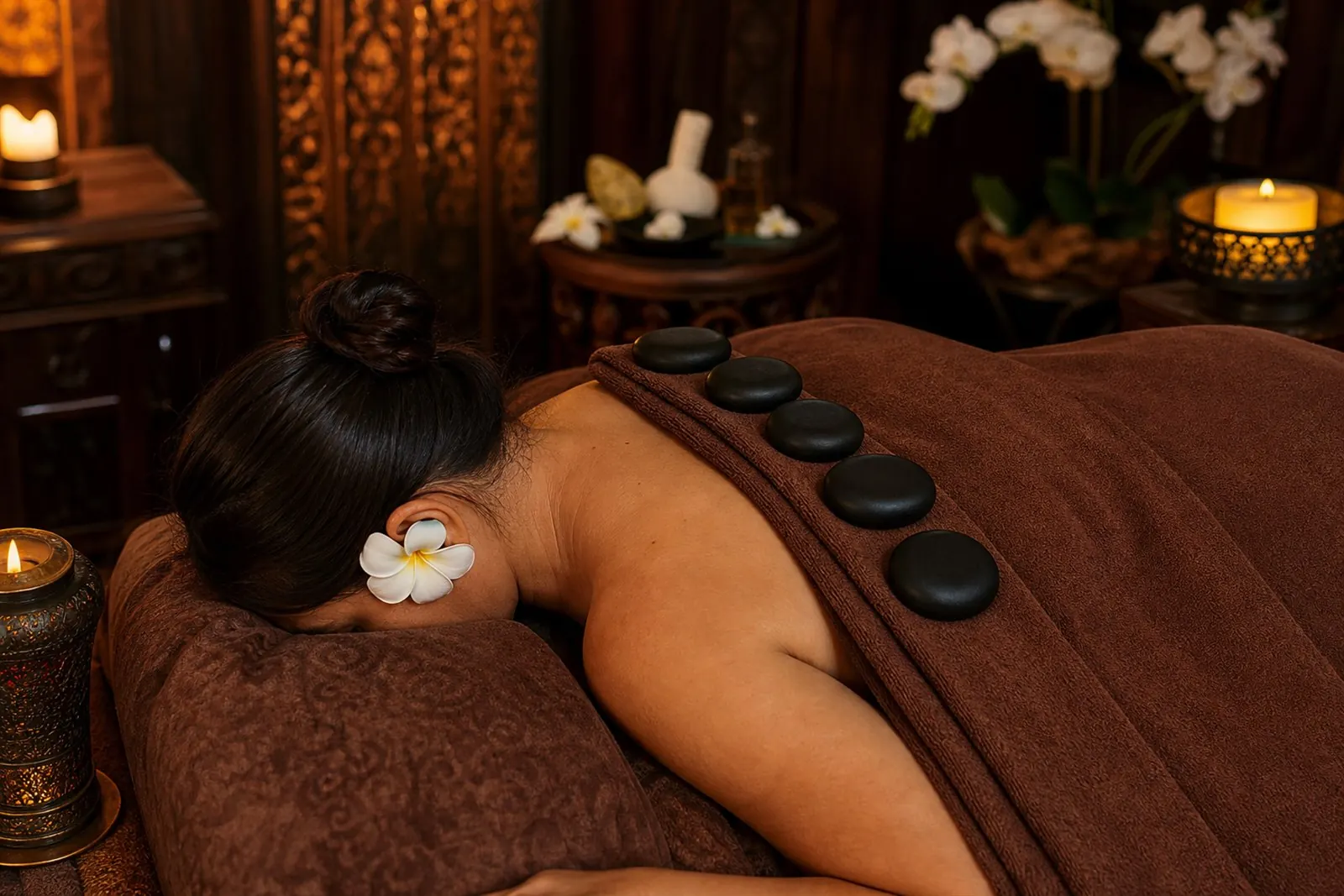
- The placement. The small stones are laid along the back, and this is the moment everybody remembers — a line of steady heat down either side of the spine. They are placed on a towel layer, not straight onto bare skin.
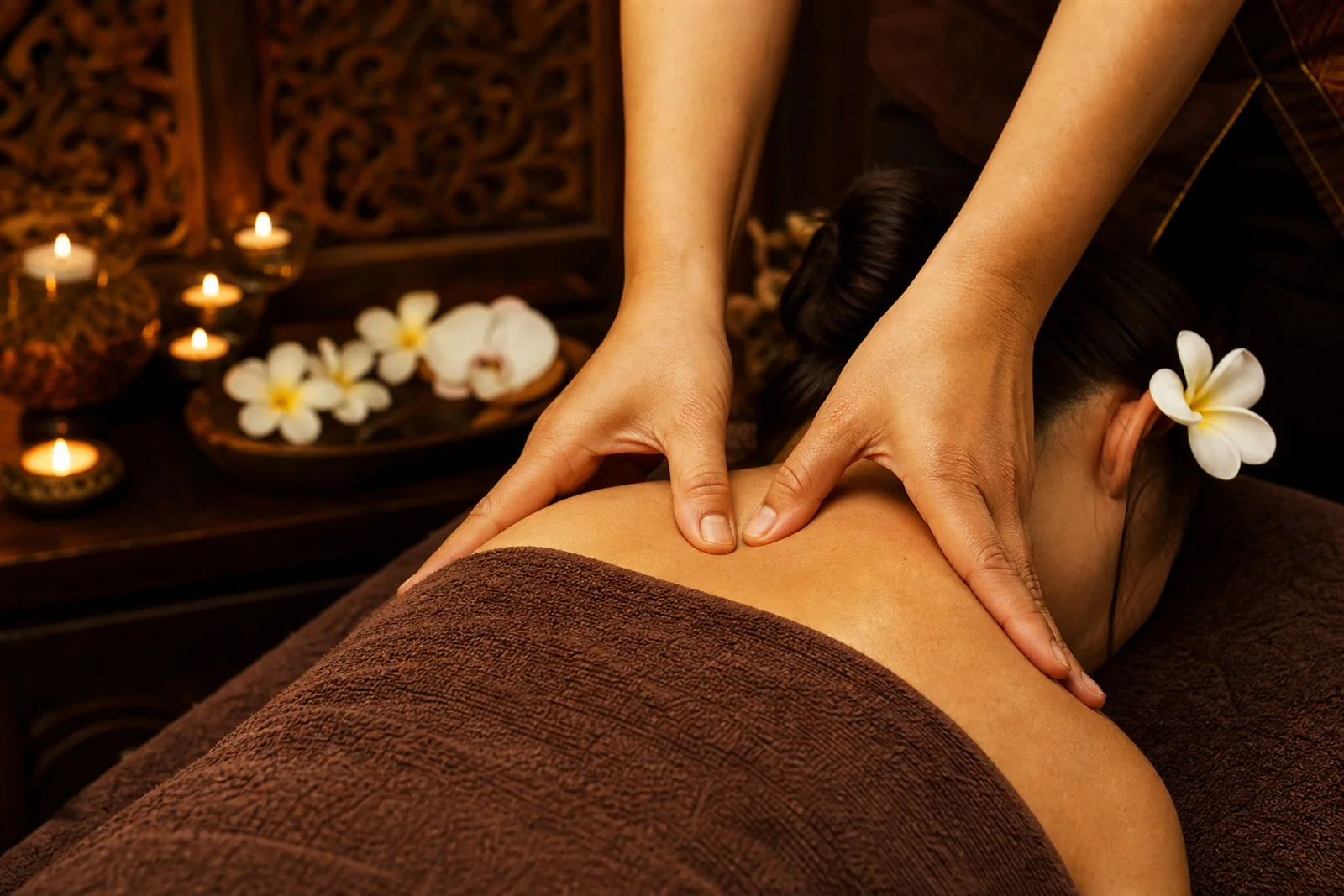
- The working stones. The larger stones come into your therapist's hands and glide with the oil in long strokes, then slower circles over tight spots. It feels like being massaged by a very warm palm.
- Turning over. Roughly halfway. Shoulders, arms, legs, and often the feet at the end.
- The finish. Stones away, hands only, everything slowing down. Give yourself a few minutes before standing up — you will be more relaxed than you expect.
How hot is hot?
The stones are heated in water, not on a flame, so there is a ceiling to how hot they can get. Your therapist handles every stone before it touches you and will test it on your skin first. The right temperature is strong warmth you sink into, never a sting or a flinch.
If a stone feels too hot, say so straight away. This is not fussy — it is exactly what your therapist wants to hear, and the fix takes three seconds. See our guide to speaking up about pressure, because the same principle applies to heat.
Who should choose something else
Hot stone is not for everyone, and we would rather say so. Skip it — and tell us when you book — if you are pregnant, have high or unstable blood pressure, a heart condition, diabetes with reduced sensation in the skin, varicose veins, open or inflamed skin, or you are recovering from a recent injury or surgery. Check with your GP or specialist if you are unsure. If you simply do not enjoy being hot, aromatherapy massage or Swedish massage will give you the same softness without the heat.
One more honest note: hot stone is offered in 90 and 120 minutes only. If you have half an hour between meetings, this is not the treatment — book a 30-minute back and shoulder instead.
What it costs
- Viaduct, Auckland CBD — 90 mins $175 · 120 mins $235
- St Heliers — 90 mins $160 · 120 mins $210
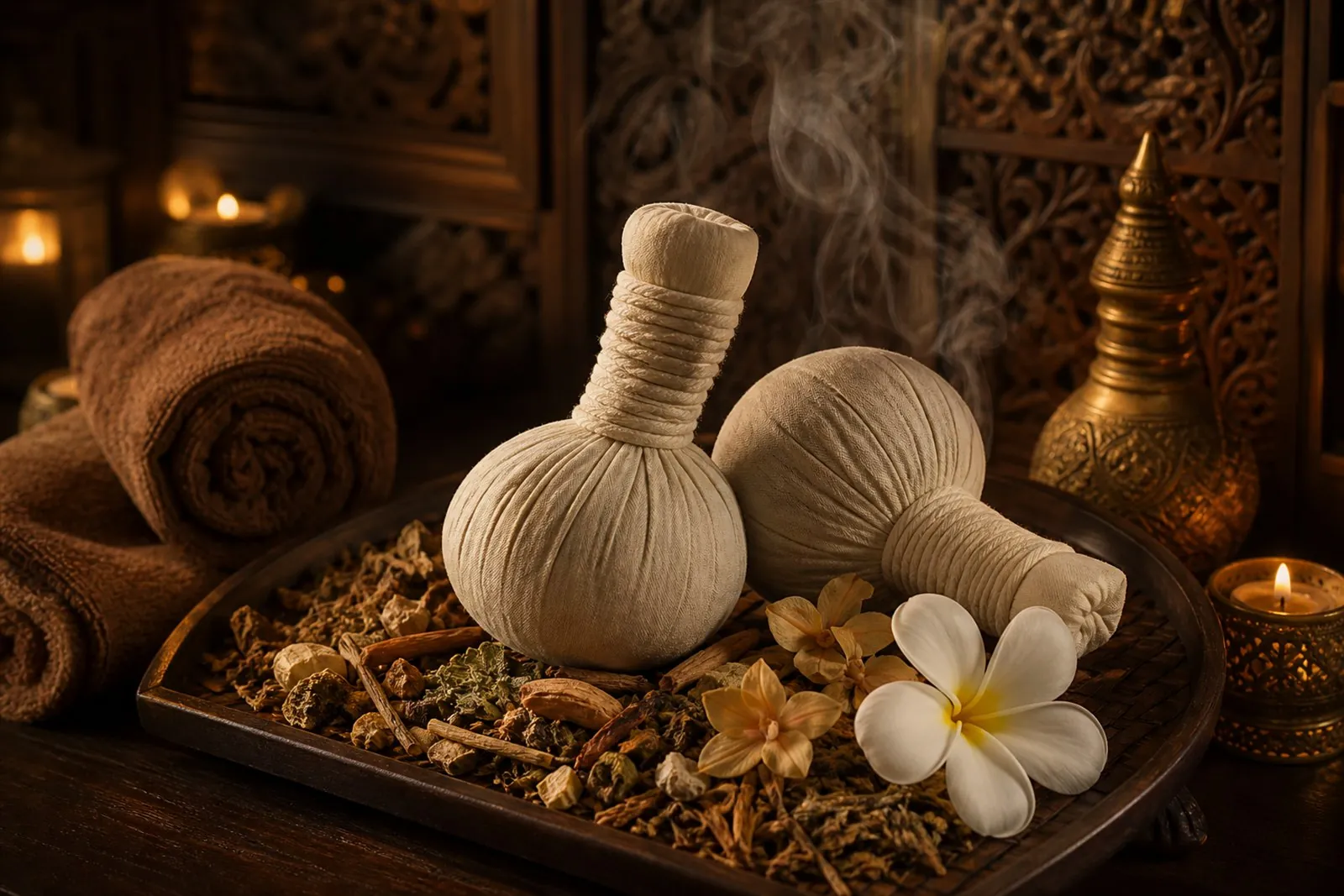
Both open seven days, 10.00am to 8.00pm, with a 15% public-holiday surcharge. If you cannot decide between hot stone and the Thai herbal compress — the other 90-minute heat treatment on our menu — the difference is simple. Stones give you broad, sinking, oily warmth. The compress gives you rhythmic, herbal, pressed warmth. Stones for melting; compress for aching.
Afterwards
Drink water, keep warm, and do not book anything strenuous for the rest of the day if you can help it. Our full post-massage aftercare guide covers what actually helps the benefits last — and the two common mistakes that undo them.
Common questions
They are heated in water to a strong, comfortable warmth and always tested by your therapist on their own skin and yours before use. They should feel deeply warm, never sharp or stinging — and if one does, tell your therapist immediately.
$175 for 90 minutes and $235 for 120 minutes at our Viaduct spa in the CBD; $160 for 90 minutes and $210 for 120 minutes at St Heliers. A 15% surcharge applies on public holidays.
We do not recommend it. Heat treatments are generally avoided during pregnancy — tell us when you book and we will guide you to a gentler option, and please check with your midwife or doctor first.
No. Undress to whatever level you are comfortable with. You are covered with towels throughout and only the area being worked on is uncovered at any time.