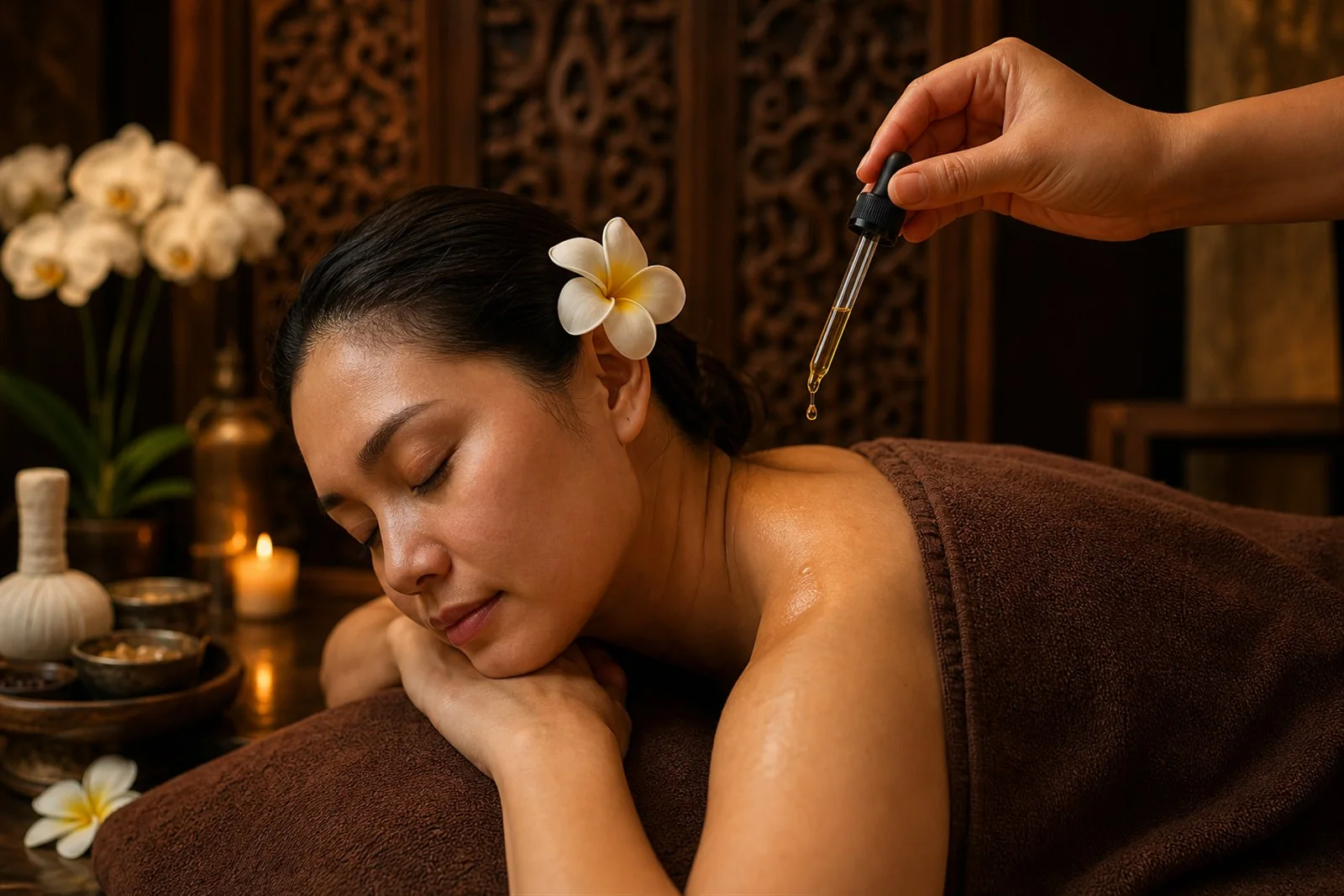
There is a particular sound at the start of this treatment: the small pause while the oil is warmed, and then nothing at all for the next hour except breathing. It is the kind of massage people tend to rebook without being asked.
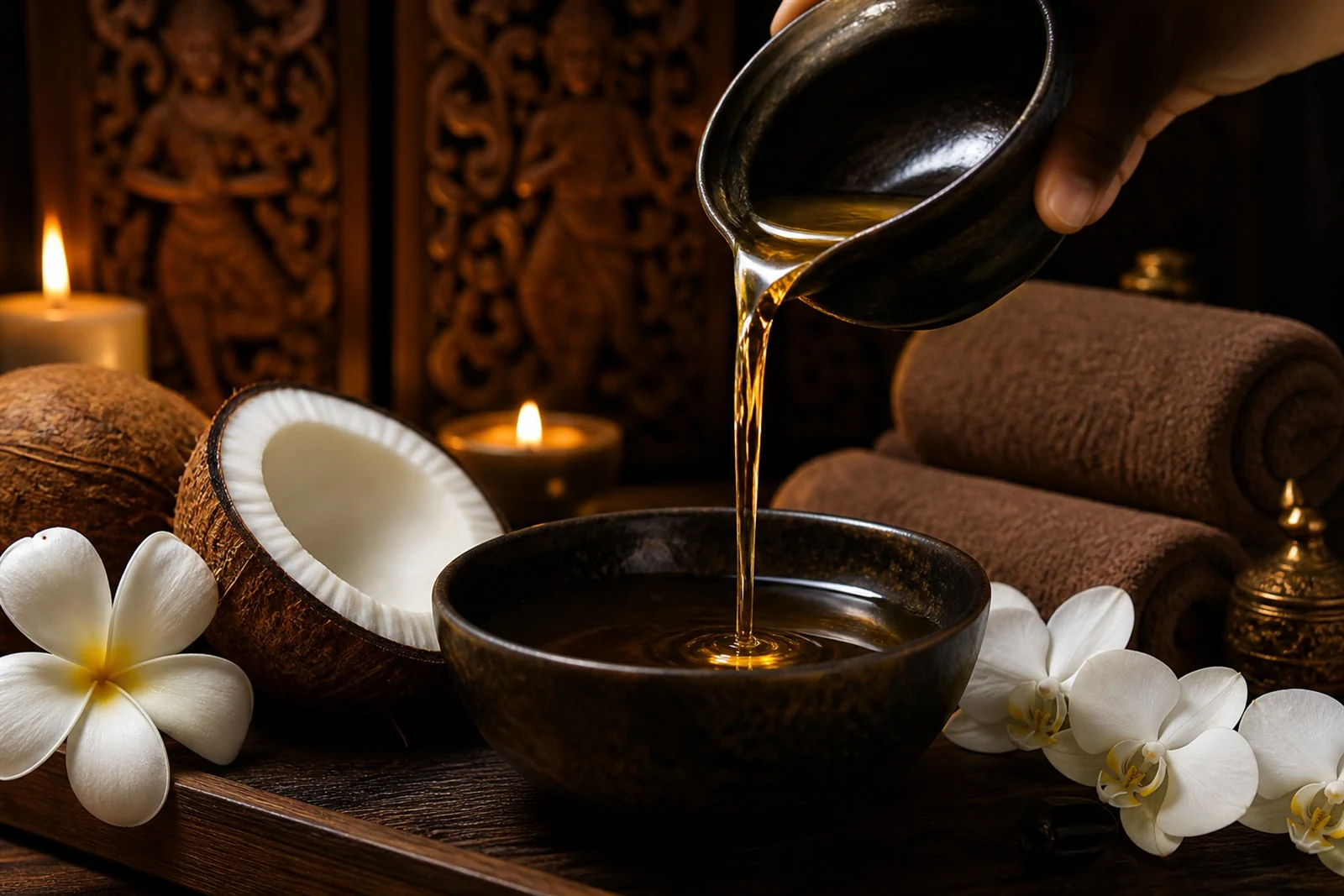
It is not a separate technique so much as a choice you layer on top of one. Any Siri massage style can be worked with our premium warm coconut oil, and the oil changes the character of the whole session. Available in 30, 60, 90 or 120 minutes at the Viaduct and St Heliers.
What the oil actually changes
Three things, and they are all noticeable within the first ten minutes.
- Glide. Warm coconut oil is heavier and slower than a light massage oil. Strokes become long and unbroken instead of short and repeated — that is where the hypnotic quality comes from.
- Heat. Not hot-stone heat, but a low, constant warmth spread over the whole body rather than concentrated in one spot.
- Skin. Coconut oil softens, smooths and moisturises — Cleveland Clinic notes it works well as a body moisturiser, especially for dry skin. You will feel it the next morning, particularly through an Auckland winter or after a summer of salt water and sun.
Who this is for
This is the treatment for the person who is not injured, not in pain, and not looking to be dug into — just depleted. New parents. People at the end of a brutal work quarter. Anyone whose skin has gone tight and papery from heat pumps and long showers.
It is also a good choice if you find firm massage stressful. The pressure sits comfortably in the light-to-medium range, and the emphasis is on continuity rather than intensity.
"You can tell within five minutes who needs to be worked on and who needs to be warmed up. This one is for the second kind of tired."
Siri therapist team
What to expect practically
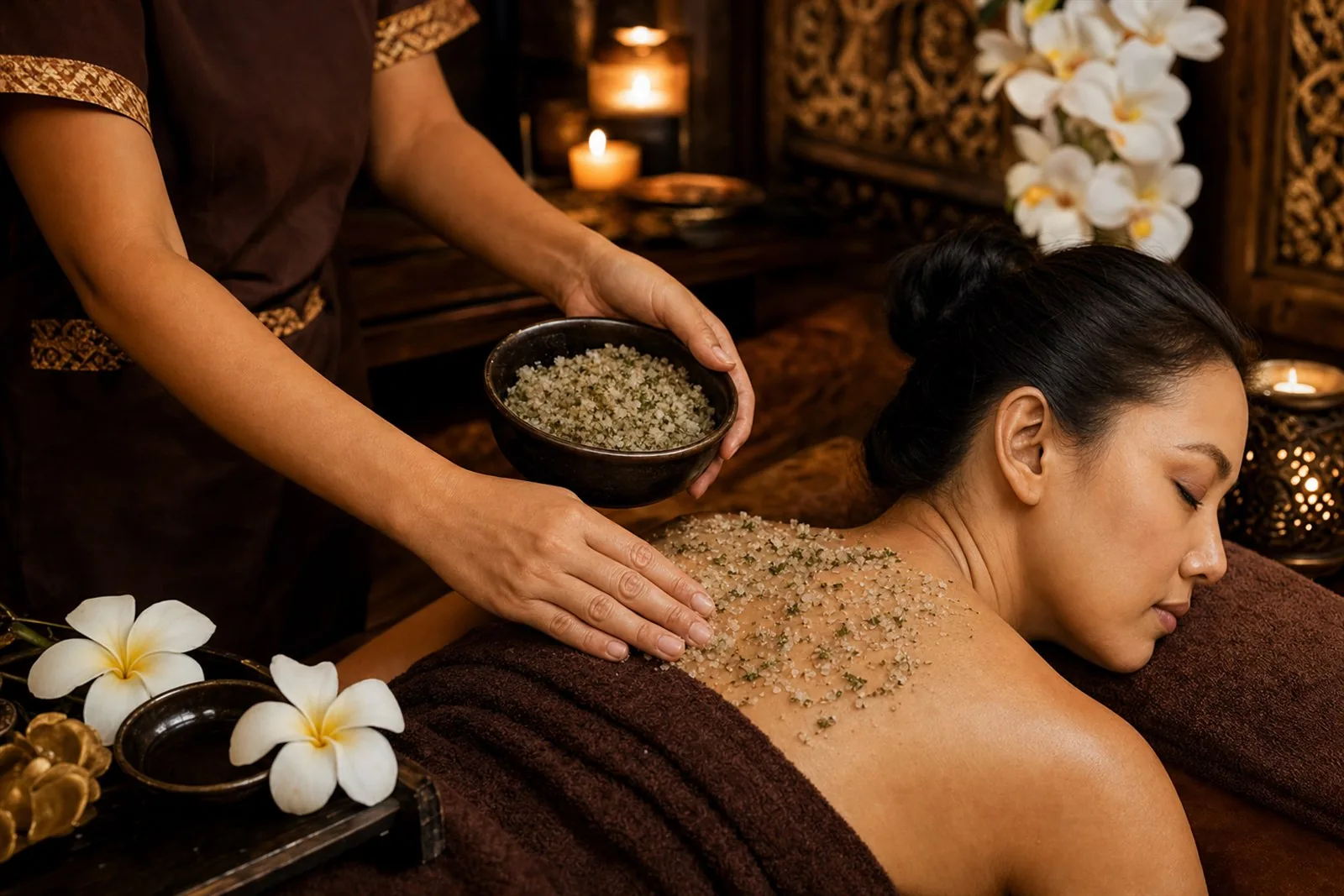
Coconut oil is generous, which is the point — so come in clothes you do not mind a little oil against, tie long hair up if you would rather keep it out of the treatment, and plan not to have a formal appointment straight afterwards. Many guests leave the oil on the skin for a few hours and shower in the evening, which is the kinder option for your skin.
Sixty minutes is the sweet spot for full-body coverage. Ninety if you want the unhurried version, where nothing is rushed and the therapist can return to the shoulders twice. If you are torn, our guide to choosing between a 60- and 90-minute massage walks through it.
Which massage style to pair with the oil
Because warm coconut oil is layered onto a style rather than being a style itself, the useful question is what kind of massage you want underneath it. The price does not change — it costs exactly what our other full-body massages cost — so choose by feel, not budget.
- Slow, aromatherapy-style work — light-to-medium pressure and long strokes. The most soothing combination, and the one to book if stress or poor sleep is the real problem.
- Swedish technique — firmer and brisker, for muscles that have been used rather than just stressed. A good choice if you would normally book Swedish but want more for your skin.
- Deep tissue work — possible, and worth asking for if your skin is dry and your shoulders are knotted. A heavier oil glides more, so point out the spots you want worked hardest and let the therapist adjust.
Say which style you want when you book, and repeat it at the start of the session. If you would rather not decide, give your therapist one sentence about your week and let them choose — that works more often than you would think.
Coconut oil versus the other oils on our menu
We use four different mediums across the massage menu, and they genuinely behave differently under the hand:
- Warm coconut oil — heaviest and slowest. Longest glide, most warmth, best for skin. Choose it for comfort.
- Sweet almond oil — what our Swedish massage uses. Lighter, so the therapist can work faster and firmer without dragging. Choose it for invigorating work.
- Blended essential oils — the aromatherapy option. The oil is a carrier; the scent is doing half the job. Choose it for mood.
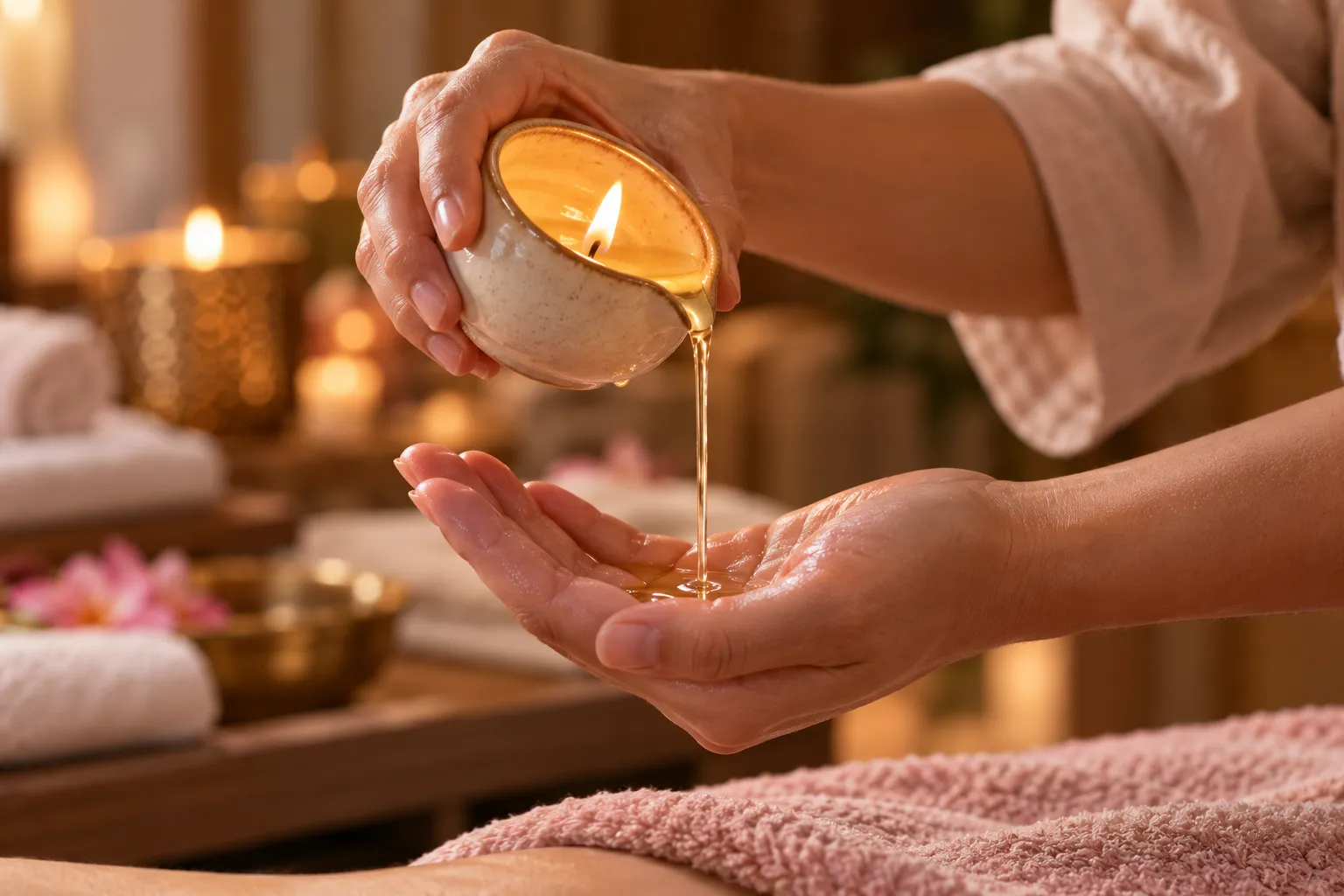
- Melted massage candle wax — candle therapy massage, exclusive to the Viaduct. Warmer than oil and richer on the skin, worked in with Swedish technique. 60 mins $140.
If you cannot decide, the practical question is what you want to feel afterwards. Coconut oil: soft and looked-after. Almond oil: loosened and awake. Essential oils: calm. Candle wax: thoroughly indulged.
The honest limitation
Two, actually. First: if you have a specific knot you want gone, oil and slow strokes are the wrong tool — book deep tissue and be direct about the spot. Second: coconut oil does not suit every skin. It is heavy, and the same Cleveland Clinic article suggests keeping it off the back, chest and shoulders if you are prone to acne — which, on a massage table, is most of what gets oiled. If that is you, or you have a coconut allergy, or you are mid-flare with eczema or psoriasis, tell us when you book so your therapist can suggest a different oil or style. If you are unsure, ask your GP or dermatologist first.
Prices
- Viaduct, Auckland CBD — 30 mins $65 · 60 mins $115 · 90 mins $165 · 120 mins $220
- St Heliers — 30 mins $60 · 60 mins $105 · 90 mins $145 · 120 mins $195
If you want the skin benefit taken further, pair it with a body scrub — our guide to body scrubs explains why exfoliating first makes any oil treatment work better, and both spas offer scrub-and-massage packages that do exactly that.
And if you want the tropical version of the tropical version: book it at St Heliers, then walk down to the beach on Tamaki Drive afterwards with your skin still warm.
Common questions
Your skin will feel softened rather than slick — most of the oil absorbs during the massage. Wear clothes you do not mind a little oil against and shower in the evening rather than straight after.
Viaduct: $65 for 30 minutes, $115 for 60, $165 for 90, $220 for 120. St Heliers: $60, $105, $145 and $195.
Yes — the warm coconut oil can be combined with any Siri massage style. Slow, aromatherapy-style work and Swedish technique are natural pairings, and deep tissue is possible too. Say which you want when you book.
Tell us when you book and your therapist can suggest a different oil or style. Also mention any reactive or broken skin conditions, or a tendency to breakouts on your back and shoulders, so we can choose something suitable.