The most common first-facial mistake happens the night before. People want to arrive with good skin, so they try a new scrub, use their strongest serum, or book in the week of a wedding — and then wonder why their face is pink and blotchy. A facial works best on skin that has been left alone.
Here is the short version of what a facial in Auckland at Siri involves. It is a 60-minute treatment that begins with a consultation, so the facial therapist can customise it to your skin. It costs $140 at our Viaduct spa in the CBD and $130 at St Heliers. The rest of this guide covers what happens in the hour, what to tell your therapist, and how to look after your skin afterwards.
What a facial is, and what it isn't
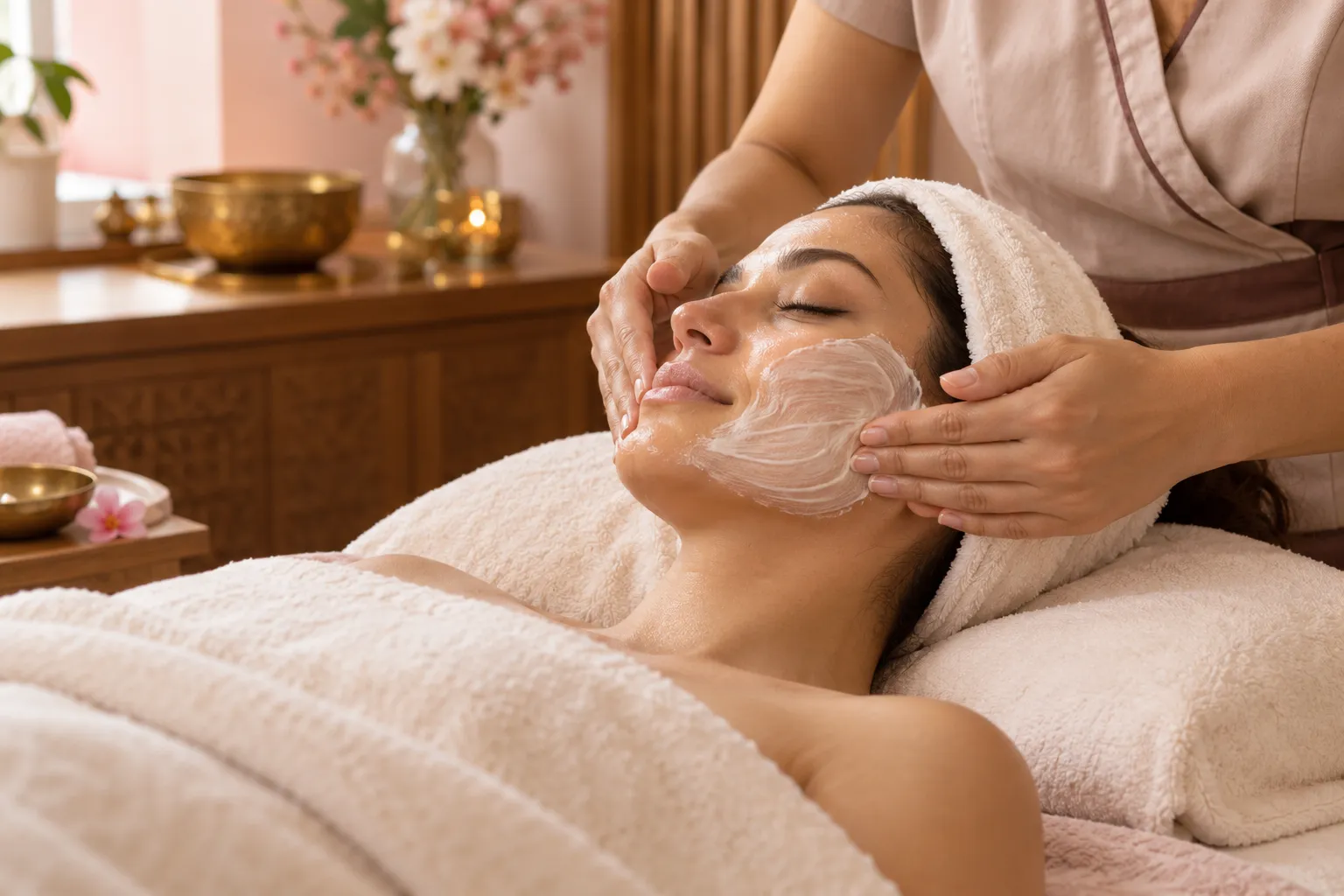
A facial is a non-invasive skin treatment: cleansing, exfoliating, a mask, moisturiser and a light massage, adjusted to your skin on the day. Cleveland Clinic's overview of facials describes the standard version in much the same terms, and it is a useful read if you want the general picture before you book.
What it isn't is a clinical procedure. A Siri facial is not a chemical peel, a laser or an injectable, and it is not a treatment for acne, rosacea or any other skin condition. Think of it as skilled skin care plus an hour lying down with your eyes closed — which, for a lot of people, is half the appeal.
Start here: the consultation
Every Siri facial begins with a consultation with the facial therapist, and this is where the treatment is really decided. They will look at your skin, ask what you would like to change, and ask what you use at home.
Be honest here, including about the things you would rather not admit to: the cleanser you use when you remember, the expensive serum you forget, the sunscreen you skip. Your therapist cannot customise around a routine you have tidied up for the occasion.
What to tell them
- Allergies and sensitivities — to fragrance, nuts or particular ingredients, or any product that has stung or caused a rash before.
- Active ingredients you use — retinoids, prescription creams, strong exfoliating acids or acne treatments. These can leave skin more sensitive, and your therapist may adjust or skip a step because of them.
- Recent treatments — a peel, laser, microneedling, injectables or facial waxing elsewhere in the past few weeks.
- Skin conditions — eczema, rosacea, psoriasis, active acne, cold sores or broken skin. Check with your GP or dermatologist first, and mention it when you book.
- Pregnancy or breastfeeding — tell us when you book and check with your midwife or GP first, as some products and steps may need to change.
- Sun — if you have caught too much this week, say so. Freshly burnt skin is not skin to exfoliate.
Your facial, step by step
Because every facial is customised, no two run exactly alike. A typical hour looks something like this:
- Settling in. You lie back on the facial bed with your hair held away from your face, and the consultation notes become the plan.
- Cleanse. Makeup, sunscreen and the day are removed, often in more than one pass.
- Exfoliate. Gentle exfoliation to lift the dull surface layer, pitched to your skin — lighter, or left out altogether, if your skin is sensitive or you use strong actives.
- Mask. Chosen for what came up in the consultation, whether that is hydrating, calming or clarifying.
- Massage. Slow, unhurried work over the face and neck. For many people, this is the part they remember.
- Finish. Moisturiser to close, and a few words on what your skin seemed to need today.
Expect the steps, not a script. If you have a strong preference — no fragrance, nothing near your eyes, more time on the massage — say so at the start, and your therapist will tell you what is possible.
"Skin that has been left alone for the week before is the easiest skin to work with. Save the new products for afterwards."
Siri therapist team
Before your appointment
- Come without makeup if you can. It will be cleansed off regardless, but a bare face gives the consultation a truer picture.
- Do not experiment the week before. No new products, no at-home peels, no vigorous scrubbing. If you use a prescription skin product, keep using it as prescribed and mention it at the consultation.
- Do not book it the day before a big event. Some people get a small breakout after a first facial or new products, as Cleveland Clinic's guide also notes. Leave yourself a few days' margin.
- Tie long hair back and arrive a few minutes early, so the consultation is not rushed.
Aftercare for the next few days
Your skin will usually feel soft and clean, sometimes a little pink if you were exfoliated. A few simple habits help it settle.
- Skip heavy makeup for the rest of the day if you can. Your skin has been cleansed and treated; leave it alone until tomorrow.
- Give scrubs and strong actives a few days' break, unless your therapist suggests otherwise.
- Wear sunscreen. Freshly exfoliated skin and New Zealand sun are not a kind combination. Healthify's sunscreen advice is a broad-spectrum, water-resistant SPF30 or higher, reapplied every two hours, and keeping out of the sun between 10am and 4pm during the daylight saving months where you can.
- Do not pick. If a spot appears in the next day or two, leave it alone; it generally settles on its own.
Pairing a facial with a massage
A facial on its own is an hour for your face. Paired with a scrub and a massage it becomes an afternoon for the rest of you too, and each spa has a package built around it:
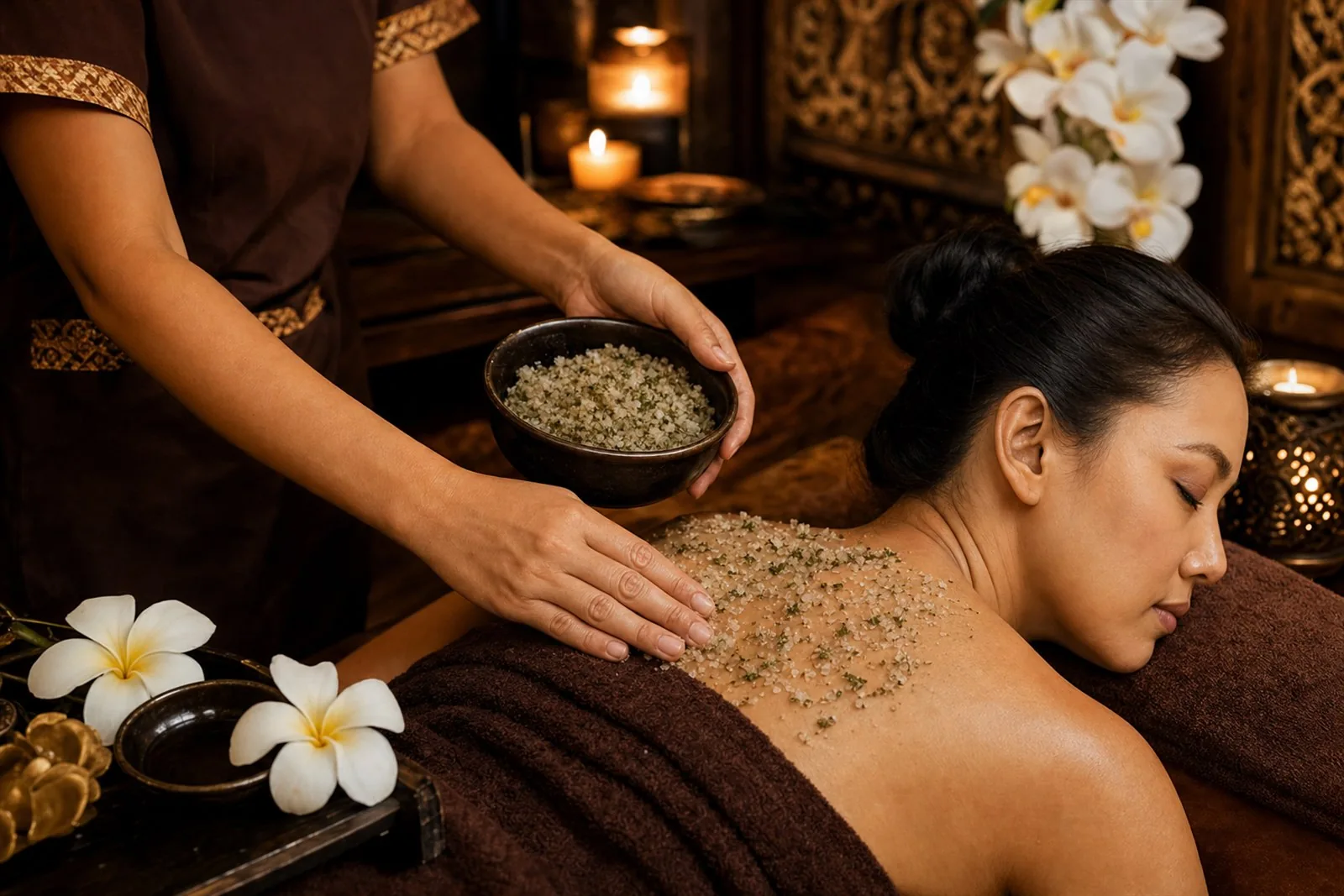
- Viaduct — Package B at the Viaduct: body scrub, facial and a 30-minute aromatherapy massage, 2.5 hours, $295.
- St Heliers — Package C at St Heliers: body scrub, aromatherapy massage and a mini facial, 2.5 hours, $280. Package C is only offered at St Heliers, and it includes a mini facial rather than the full 60-minute treatment.
Our guide to the signature package walks through how that afternoon runs. If you would rather keep it simple, a 60-minute facial and a 60-minute massage on the same day work well together too — ask when you book which order suits the treatments you have chosen.
Booking a facial in Auckland: Viaduct or St Heliers?
Both spas offer a 60-minute facial that starts with a consultation: Facial Treatments at the Viaduct for $140, and the Facial Treatment at St Heliers for $130. Choose the Viaduct if you are coming from work in the CBD, or St Heliers if a walk along the water afterwards is part of the plan. Both are open seven days, 10.00am to 8.00pm, and a 15% surcharge applies on public holidays.
How often, and the honest limitation
One facial is a treat; a rhythm is skin care. Many skin therapists suggest every four to six weeks, roughly in step with how often skin renews its surface, but there is no rule. Plenty of people book one at the change of season and leave it there.
The honest limitation: a facial will not fix a skin condition, and it will not undo a summer of sunburn in an hour. If you have persistent acne, rosacea, pigmentation that worries you, or a mole that has changed, see your GP or a dermatologist. A facial is the pleasant part of looking after your skin, not the medical part.
And if your face is sorted but the rest of you feels neglected, our guide to body scrubs explains what the same kind of attention does from the neck down.
Common questions
$140 for 60 minutes at our Viaduct spa in the CBD, and $130 for 60 minutes at St Heliers. Both begin with a consultation to customise the treatment. A 15% surcharge applies on public holidays.
Come without makeup if you can, avoid new products or hard exfoliating in the days before, and do not book it right before a big event. Tell your therapist about any allergies, prescription skin products or recent treatments.
Tell us when you book, and check with your midwife or GP first. Some products and steps may need to change, and the consultation is the place to talk it through.
The 60-minute facial is a full treatment on its own, available at both spas. The mini facial is part of Package C, alongside a body scrub and an aromatherapy massage, and Package C is only available at St Heliers.